Are Casino VIP Programs Worth It — Or Are They Playing You?
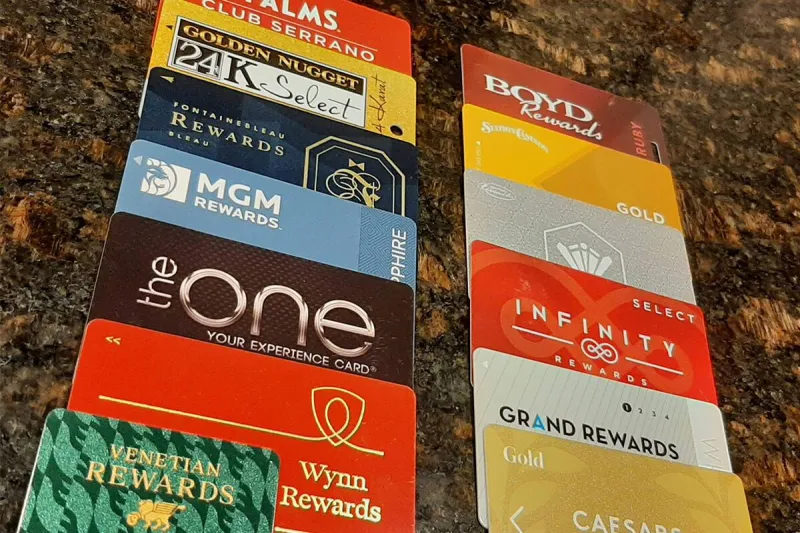
Photo: casino VIP loyalty card gold membership rewards program, via www.reviewjournal.com
Everybody loves feeling like a high roller. That's kind of the whole point. When an online casino slides a VIP invitation into your inbox — complete with a shiny tier name like "Platinum" or "Elite" — it feels like recognition. Like the house finally sees you.
But here's the thing: the house always sees you. That's literally its business model.
Loyalty programs at online casinos are among the most carefully engineered systems in digital entertainment. Before you spend another dollar chasing status points, let's break down what these programs actually deliver — and what they quietly cost you in return.
How Tiered Reward Systems Actually Work
Most casino loyalty programs follow a familiar structure. You earn points by wagering real money. Accumulate enough points, and you climb tiers — Bronze, Silver, Gold, Platinum, and so on. Each tier unlocks progressively better perks: higher cashback percentages, faster withdrawals, dedicated account managers, and invitations to exclusive tournaments.
On the surface, it sounds like a straightforward exchange. You play, you earn, you redeem.
The catch is in the conversion rates. At many platforms, you might need to wager $100 to earn 10 points, and it could take 1,000 points to redeem $1 in bonus credit. That works out to a 0.1% return on your wagering — before you factor in the playthrough requirements attached to most bonus redemptions.
For context, a decent cash-back credit card in the US typically returns 1.5% to 2% on purchases. The math on casino points rarely comes close to that, and unlike credit card rewards, casino bonuses almost always come with strings attached.
The Psychology of Exclusive Status
Casino VIP programs aren't just about rewards — they're about identity. And that's where things get interesting from a behavioral standpoint.
Research in consumer psychology consistently shows that people will go to surprising lengths to maintain a status they've achieved. This is sometimes called the "status quo bias" or, in loyalty program contexts, "tier protection behavior." Once you've hit Gold, the idea of sliding back to Silver feels like a genuine loss — even if the actual difference in perks is minimal.
Casinos know this. That's exactly why most tiered programs include an expiration or re-qualification mechanic. Your status isn't permanent. To keep your Platinum badge, you might need to wager a certain amount within a rolling 30- or 90-day window. Suddenly, the program isn't just rewarding your past play — it's actively shaping your future behavior.
This creates what behavioral economists call an "escalation of commitment." You've already invested time, money, and emotional energy into reaching a tier. Walking away feels like throwing all of that away. So you keep playing — sometimes at stakes higher than you'd otherwise choose — just to protect a status that was designed to be just slightly out of comfortable reach.
Point Redemption: The Fine Print You Need to Read
Even when you do accumulate enough points to cash in, the redemption process can be surprisingly restrictive. Common limitations include:
- Wagering requirements: Bonus funds earned through loyalty points often carry 20x, 30x, or even 50x playthrough requirements before you can withdraw.
- Game restrictions: Points redeemed as free spins or bonus credits may only be valid on specific slots, often excluding table games where the house edge is lower.
- Expiration windows: Points and bonus credits can expire if not used within a set timeframe, adding pressure to spend before you're ready.
- Minimum redemption thresholds: Some programs require you to accumulate a large balance before you can redeem anything at all.
None of this makes loyalty programs inherently bad. But it does mean the advertised value and the realized value can be very different numbers.
So When Does VIP Status Actually Deliver?
Fair question — and the honest answer is that it depends heavily on how you play.
If you're a recreational player who sets a firm entertainment budget and sticks to it, loyalty perks can be a genuine bonus on top of money you were already going to spend. Free spins on your birthday, a small cashback percentage, the occasional deposit match — these add up to real value when they're not influencing you to spend more than planned.
Where VIP programs become a net negative is when they start driving your decisions. If you're increasing bet sizes to hit a tier threshold, playing longer sessions to protect your status, or choosing a platform specifically for its loyalty program rather than its game quality and payout transparency, the program has flipped from a perk to a cost.
The players who genuinely benefit from VIP programs tend to share a few traits:
- They treat point accumulation as a side effect of play, not a goal.
- They read the full terms before redeeming anything.
- They never increase their wagering specifically to chase tier milestones.
- They compare the actual cashback rate against what they'd get from a no-frills, high-RTP game selection.
Practical Ways to Make Loyalty Programs Work for You
If you're going to participate in a casino loyalty program — and at One Casino, we think they can add genuine fun to the experience when used wisely — here are a few habits that keep the value flowing in your direction:
Track your actual return. Keep a simple note of what you've wagered versus what you've redeemed in real, withdrawable value. If the ratio is worse than 0.5%, the program probably isn't adding much.
Ignore the tier countdown timers. These are designed to create urgency. If you wouldn't otherwise be playing right now, a blinking "500 points to Gold" notification is a cost, not an opportunity.
Prioritize cashback over free spins. Cash — even with moderate playthrough requirements — is almost always more flexible and valuable than bonus spins tied to specific games.
Ask about the VIP terms upfront. Reputable platforms will explain their loyalty program mechanics clearly. If the terms are buried or confusing, that's a signal worth paying attention to.
The Bottom Line
Casino VIP programs are genuinely clever products. They reward real play, they create a sense of community and recognition, and at their best, they return a small but meaningful percentage of your wagering back to you. There's nothing inherently predatory about that.
But they're also built by people who understand human psychology extremely well — and their primary goal is to keep you engaged longer and at higher stakes. The loyalty trap isn't a conspiracy; it's just good business design working exactly as intended.
The players who come out ahead are the ones who stay conscious of that dynamic. Use the program. Enjoy the perks. Just make sure you're the one running the strategy — not the other way around.