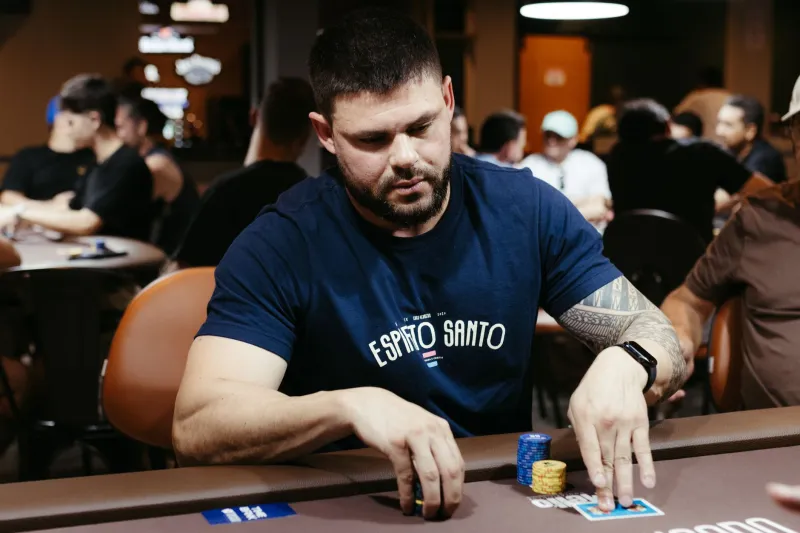
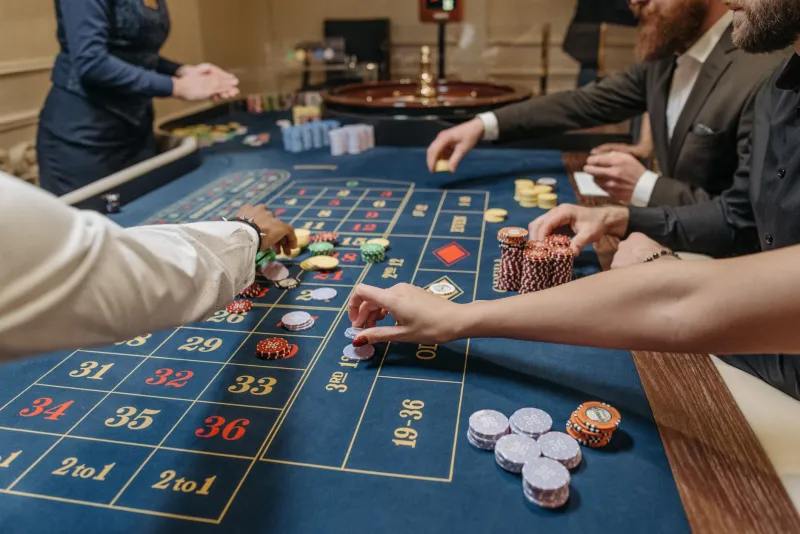
Hot Tables, Cold Machines, and the Myth That's Draining Your Bankroll
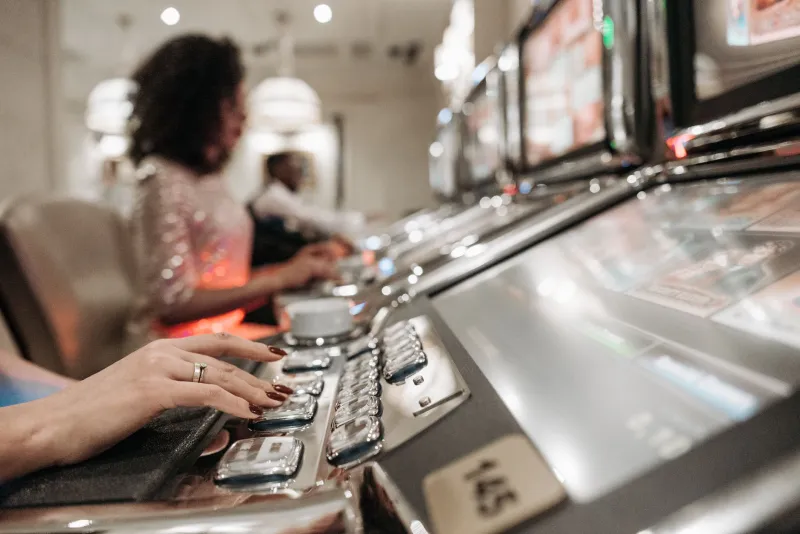
Picture this: you've been watching a slot for twenty minutes, and it hasn't paid out once. Surely it's about to hit, right? Or maybe you're at a blackjack table where the dealer has busted three times in a row — the table's running hot, so you bump your bet. Both of these instincts feel completely logical in the moment. Both of them are wrong.
The belief that casino games cycle through hot and cold phases is one of the oldest and most persistent myths in gambling. It's also one of the most quietly damaging. Understanding why this idea feels so real — and why it isn't — could be the single most valuable thing you do for your bankroll.
Where the Idea Comes From
Humans are pattern-recognition machines. It's literally how we're wired. From an evolutionary standpoint, spotting patterns — seasonal changes, predator behavior, which berries were safe to eat — kept us alive. That same mental hardware is running in the background every time you sit down at an online casino.
When you see a slot hit three times in quick succession, your brain doesn't log it as random variance. It logs it as a signal. When a roulette wheel lands on red five times straight, something in your mind starts calculating the odds that black is "overdue." This tendency even has a name: the gambler's fallacy. It's the mistaken belief that past random events influence future ones.
The tricky part is that this fallacy doesn't feel like a mistake. It feels like pattern recognition — the very skill that's supposed to give you an edge.
What's Actually Happening Inside the Game
Here's the hard truth: online casino games, including every slot, table game, and specialty title at One Casino, operate on random number generators — RNGs for short. These are sophisticated algorithms that produce a completely independent result for every single spin, hand, or roll.
The word "independent" is doing a lot of work in that sentence. It means the machine has absolutely no memory of what just happened. The slot that hasn't paid in forty spins is no more likely to hit on spin forty-one than it was on spin one. The dealer who just busted twice has the same odds of busting again as they always did. Each outcome exists in its own isolated moment, untouched by everything that came before it.
Regulatory standards in online gaming — and the third-party audits that reputable platforms undergo — exist specifically to verify this. The randomness isn't a marketing claim. It's a technical and legal requirement.
The Real Cost of Chasing Temperature
So what happens when players act on the hot/cold belief? A few predictable things, and none of them are good.
Bet escalation during perceived hot streaks. When a player thinks a table or machine is running hot, they tend to increase their wager size. This feels like pressing an advantage, but since no real advantage exists, they're simply risking more money on the same odds. If the streak ends — and it always does, because it was never a streak in the first place, just a cluster of random outcomes — they've burned through their bankroll faster than they needed to.
Abandoning games during perceived cold streaks. On the flip side, players who believe a machine has gone cold will walk away, often right before a winning outcome that was just as likely to occur as any other. There's no statistical reward for leaving a cold table and finding a hot one. You're just moving your money around without changing your odds.
Distorted session tracking. When your betting decisions are influenced by perceived temperature, your results become harder to evaluate honestly. You can't learn from your sessions if your strategy is based on something that doesn't exist.
The Psychology Is Stubborn — Here's How to Push Back
Knowing the gambler's fallacy is real doesn't automatically make you immune to it. The feeling is visceral, and it doesn't disappear just because you've read an article. What you can do is build habits that keep it from steering your decisions.
Decide your bet size before you sit down. One of the best defenses against streak-chasing is committing to a consistent wager before you ever open a game. When your bet size is predetermined, you remove the temptation to escalate during a hot run or panic-reduce during a cold one.
Set session limits and stick to them. A clear budget for each session — and a real commitment to honoring it — means your decisions are governed by math rather than mood. One Casino's responsible gaming tools can help you set deposit and session limits that keep things grounded.
Treat each spin or hand as its own event. This sounds simple, but it's genuinely useful to practice. Before each bet, mentally reset. What happened in the last five rounds is irrelevant data. The only question worth asking is whether this bet makes sense given your current bankroll and the game's known odds.
Keep a session log. Writing down your results over time — not just wins and losses, but your mental state and the decisions you made — is one of the fastest ways to spot pattern-seeking behavior in yourself. You might be surprised how often your "hot table" instincts don't hold up when you look back at the numbers.
Randomness Is the Game — Make Peace With It
There's actually something liberating about accepting true randomness. It means you're never on a bad machine. You're never at a cursed table. You don't need to find the right seat, wait for the right moment, or avoid the slots that just paid out big. None of that matters.
What does matter: your bankroll management, your game selection, your understanding of the rules and odds, and your ability to keep emotions out of your betting decisions. These are the levers you actually control.
At One Casino, the games are built to be fair, transparent, and genuinely entertaining. The variance you experience — the runs that feel cold, the sessions that feel electric — is the natural texture of randomness, not a signal to decode. The players who do best over time aren't the ones who crack the code on hot and cold. They're the ones who stop looking for a code that was never there.
Play the game. Manage your money. Enjoy the ride. That's the actual strategy.