Free Money Isn't Free: How Casino Bonus Structures Are Engineered to Keep You Spinning

There's a reason you feel a little rush when you see that "250% Welcome Bonus" banner plastered across an online casino homepage. It hits the same psychological sweet spot as a sale sign at your favorite store — your brain registers opportunity before it registers the fine print. And that's not an accident.
Online casinos spend serious resources designing bonus systems that feel generous on the surface while quietly steering players toward longer sessions, higher bets, and more deposits than they originally planned. That doesn't mean bonuses are worthless — far from it. But understanding how they're built is the first step to actually using them in your favor.
The Welcome Bonus Hook
The welcome bonus is the front door of every online casino's retention strategy. You deposit $100, the site matches it with another $100 (or $200, or $300 depending on how aggressive the offer is), and suddenly you feel like you're playing with house money. Technically, you are. But that bonus cash usually comes with a leash.
Wagering requirements are the mechanism that turns "free money" into a long-haul commitment. A typical requirement might read something like "30x the bonus amount." So on a $100 bonus, you'd need to run $3,000 worth of bets through the system before you can withdraw a single dollar of bonus-derived winnings. Some offers apply that multiplier to your deposit plus the bonus — meaning you're looking at $6,000 in required play on a $100 deposit match.
For most casual players, that number sounds manageable in the abstract. In practice, it tends to mean playing well beyond the point where rational bankroll management would have you logging off.
Reload Offers: The Second-Act Trap
If the welcome bonus is the hook, reload offers are the line that keeps you reeled in. These are the weekly promotions, the "deposit today and get 50% back" emails, the Tuesday bonuses designed to bring you back after a quiet weekend.
The psychology here is slightly different. By the time you're receiving reload offers, you're already a known player. The casino has data on your session length, your average bet size, and the games you gravitate toward. Those personalized offers aren't random — they're calibrated to land at the moment you're most likely to respond.
Reload bonuses also tend to carry similar wagering requirements to welcome offers, which means every time you take one, you're re-enrolling in the same extended-play commitment. Players who take every reload offer their inbox delivers can find themselves in a cycle where they're always chasing bonus clearance rather than playing on their own terms.
How Loyalty Programs Complicate the Math
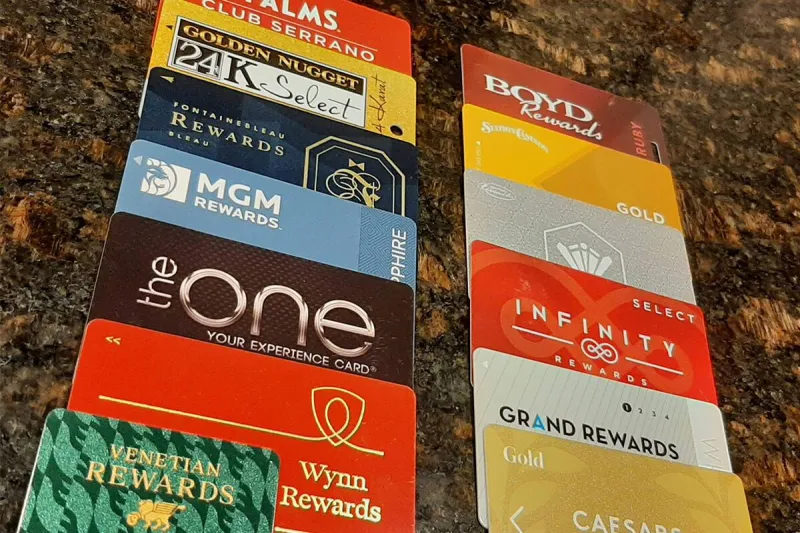
Loyalty programs — the tiered VIP systems that reward points for every bet you place — are where the engineering gets genuinely sophisticated. On paper, earning rewards for play you were going to do anyway sounds like pure upside. In practice, the structure of these programs is designed to make you feel like you're always one level away from something better.
The tiered nature of most loyalty programs creates a powerful psychological effect called the "endowed progress effect." Once you've climbed from Bronze to Silver, the idea of sliding back feels like a loss — even if the difference in actual rewards is marginal. That loss aversion keeps players betting at higher volumes than they'd otherwise choose, just to protect their status.
Point expiration policies add another layer. Many programs reset your accumulated points or tier status after a period of inactivity, which creates urgency to keep playing even when your instincts — and your budget — are telling you to take a break.
The Games Behind the Bonus
Here's a detail that catches a lot of players off guard: most bonuses come with game restrictions that limit how much each game contributes to wagering requirements. Slots typically count 100% toward clearing a bonus. Table games like blackjack or roulette might count anywhere from 10% to 25%, if they're allowed at all.
This isn't arbitrary. Slots carry a higher house edge than most table games, which means the casino expects to recover more of the bonus value when players are steered toward the slots section. For players who prefer table games, this structure is especially punishing — either you grind slots you don't enjoy, or you accept that clearing the bonus through your preferred games will take far longer.
Extracting Real Value Without Getting Played
None of this means bonuses should be ignored. With the right approach, they genuinely can add value to your sessions. The key is treating bonus evaluation like any other financial decision — with actual math, not just gut feel.
Read the full terms before claiming anything. The wagering requirement is the headline number, but also check the game contribution percentages, the maximum bet allowed while clearing the bonus (many casinos cap this at $5-$10 per spin), and the expiration window. A 30x requirement with a 14-day expiration is a very different beast than a 30x requirement with 60 days to clear it.
Calculate the implied cost. If a bonus requires $3,000 in wagering on slots with a 5% house edge, you're statistically expected to lose around $150 in the process of clearing it. If the bonus itself is worth $100, you're actually paying $50 for the privilege. That math doesn't always work out in your favor.
Set a session limit before the bonus changes your frame of mind. The biggest danger of bonus play isn't the wagering requirement itself — it's the mental shift that comes with feeling like you're playing with "extra" money. Players tend to bet more aggressively and stay longer when they perceive their funds as a windfall rather than real money. Decide your stop point before you start, and stick to it regardless of how close you are to clearing the bonus.
Be selective about reload offers. You don't have to take every promotion that lands in your inbox. Evaluate each one on its own terms, and skip the ones where the wagering math doesn't work in your favor. The casino will keep sending offers regardless.
The Bottom Line
Casino bonuses aren't inherently bad deals. Some of them, evaluated honestly, represent genuine added value for players who understand what they're signing up for. But the system surrounding them — the wagering requirements, the loyalty tier pressure, the game steering — is built to extend your engagement beyond what your budget naturally supports.
The players who actually extract value from bonuses are the ones who treat the fine print as the real offer, not the headline number. Go in with your eyes open, do the math before you click "claim," and never let a bonus talk you into a session you hadn't already budgeted for.
The game is always on at One Casino — and that's exactly why knowing the rules matters more than the rewards.