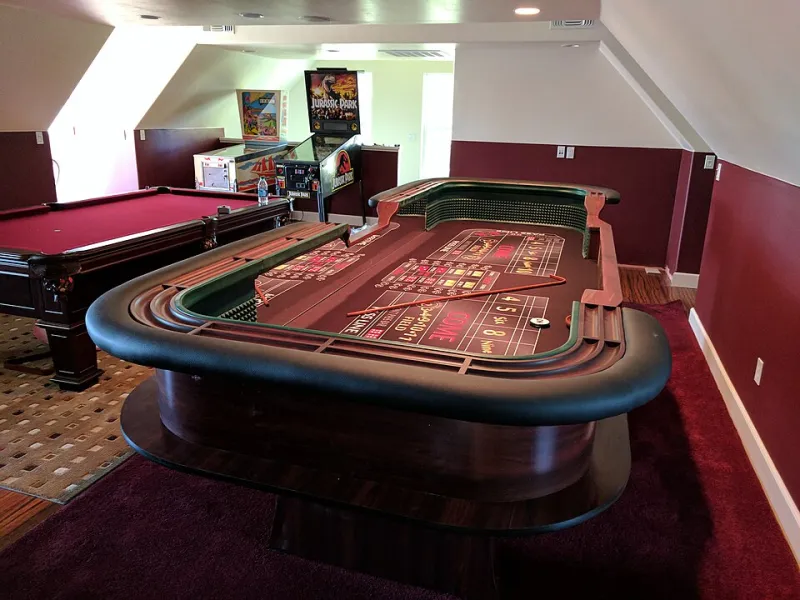
Playing Smarter, Not Bigger: A Real Player's Roadmap to Leveling Up at the Casino
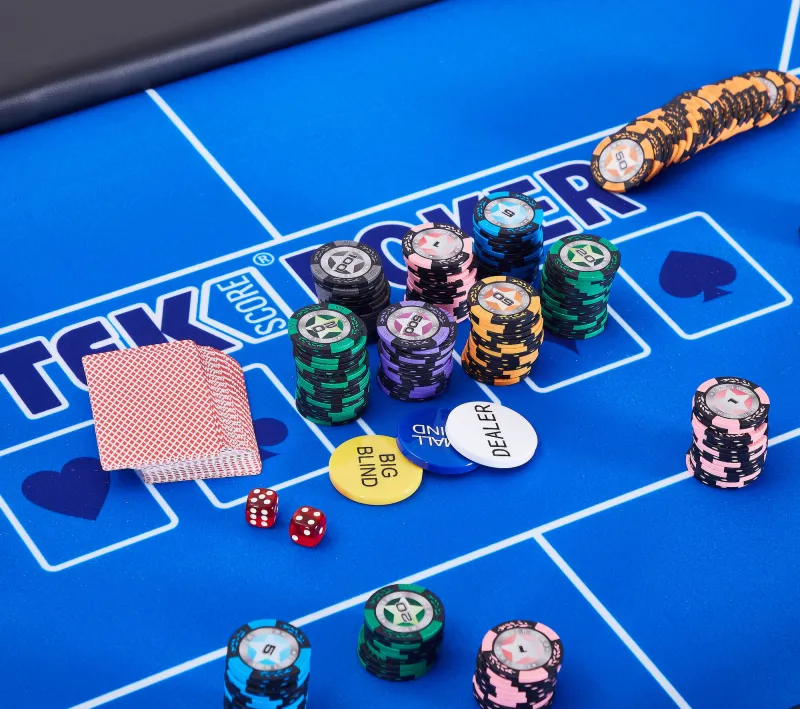
Photo: casino player strategy table games chips cards learning, via www.libertygames.co.uk
Every seasoned casino player started somewhere modest. Maybe it was a $0.25 slot spin on a whim, or a low-stakes hand of blackjack played mostly on curiosity. The jump from casual weekend entertainment to confident, strategic gaming doesn't happen overnight — and the players who make that transition successfully share one thing in common: they leveled up their knowledge long before they leveled up their bets.
This isn't a guide about chasing bigger wins. It's about building the kind of gaming habits that keep the experience fun, sustainable, and occasionally very rewarding — without the kind of losses that make you regret sitting down in the first place.
Stage One: Getting Comfortable With How Games Actually Work
Most recreational players start with slots, and for good reason. They're intuitive, visually engaging, and don't require any strategy to enjoy. But even here, there's a difference between spinning blindly and spinning with awareness.
Understanding return-to-player (RTP) percentages is your first real education. A slot with a 96% RTP returns, on average, $96 for every $100 wagered over time. That doesn't mean you'll get $96 back every session — variance plays a massive role — but choosing games with higher RTPs is a smarter long-term habit than just picking whatever looks flashiest.
Volatility is the other concept worth grasping early. High-volatility slots pay less frequently but tend to hit bigger when they do. Low-volatility games pay smaller amounts more consistently. Neither is objectively better — it comes down to your session goals and how long you want your bankroll to last.
Take Marcus, a 34-year-old from Chicago who spent his first year of online gaming cycling through whatever slot caught his eye. "I had no idea why some sessions burned through my budget in 20 minutes while others stretched for hours on the same amount," he says. "Once I started paying attention to volatility, I could actually plan my sessions instead of just reacting to them."
Stage Two: Moving Into Table Games Without Getting Eaten Alive
The leap from slots to table games feels intimidating because table games have rules, etiquette, and other players (or a live dealer) involved. But that structure is also what makes table games so learnable — unlike slots, where outcomes are purely mechanical, games like blackjack and baccarat reward players who understand the math.
Blackjack is the classic starting point for a reason. The house edge on a standard blackjack game is among the lowest in the casino — often below 1% when you're playing basic strategy correctly. Basic strategy isn't a complicated system; it's a set of statistically optimal decisions for every hand combination. It can be learned in an afternoon and applied immediately.
Start at the lowest stakes table available. Seriously. The goal at this stage isn't profit — it's building decision-making confidence so that when the stakes do go up, you're operating from habit rather than guesswork.
Baccarat is another excellent entry point for table game beginners. The betting options are simple, the pace is relaxed, and the house edge on the Banker bet hovers around 1.06%. You don't need to understand every nuance of the game to make consistently smart bets.
Stage Three: Understanding Betting Structures Before You Scale Up
Here's where a lot of players make their first serious mistake: they start winning at a certain stake level and immediately jump to a much higher one. The logic feels sound — if I'm winning at $5 a hand, why not $25? But the variance that's manageable at lower stakes becomes a serious bankroll threat at higher ones.
A smarter progression works in small increments. If you're comfortable at $5 tables and want to move up, try $10 first. Get 10 or 15 sessions of experience at that level before considering another step. Each jump requires your bankroll to be proportionally larger and your emotional discipline to be proportionally stronger.
Speaking of bankroll: the standard guidance from experienced players is never to bring more than you're comfortable losing entirely. That's not pessimism — it's protection. Session budgets should be a fixed amount set before you sit down, not a running number you adjust based on how the night is going.
"The biggest shift for me wasn't the strategy," says Diana, a 41-year-old from Austin who went from casual slot player to regular poker participant over three years. "It was accepting that some sessions just go sideways, and that's built into the game. Once I stopped chasing losses, everything got more enjoyable."
The Emotional Discipline Nobody Warns You About
Skills and strategy will only carry you so far. The factor that separates players who last from players who burn out is emotional control — specifically, the ability to make rational decisions when you're on a losing streak or, just as importantly, when you're on a hot run.
Winning streaks are psychologically dangerous in their own way. A series of wins creates a false sense of invincibility that can lead to dramatically increased bets right before variance swings back the other direction. Setting a "win limit" — a point at which you walk away regardless of how good things feel — is a habit the most disciplined players swear by.
Loss limits work the same way. Decide before you play what dollar amount means the session is over. Then actually honor it. That commitment is the single most protective habit you can build.
What Leveling Up Actually Looks Like
The real high rollers — not the stereotype, but the players who genuinely sustain larger-stakes gaming over time — aren't defined by how much they bet. They're defined by how deliberately they bet. They understand the games they play deeply. They manage their money with discipline. They treat losses as a cost of entertainment rather than a problem to solve by betting more.
Your path from casual player to confident, strategic gamer is built one session at a time. Learn the mechanics, respect the variance, scale up gradually, and keep your emotional game as sharp as your strategic one. That's how you keep the fun in it — and that's what keeps you at the table long enough to catch the sessions that really go your way.