Flying Solo or Rolling with a Crew? The Psychology Behind How You Play Changes Everything

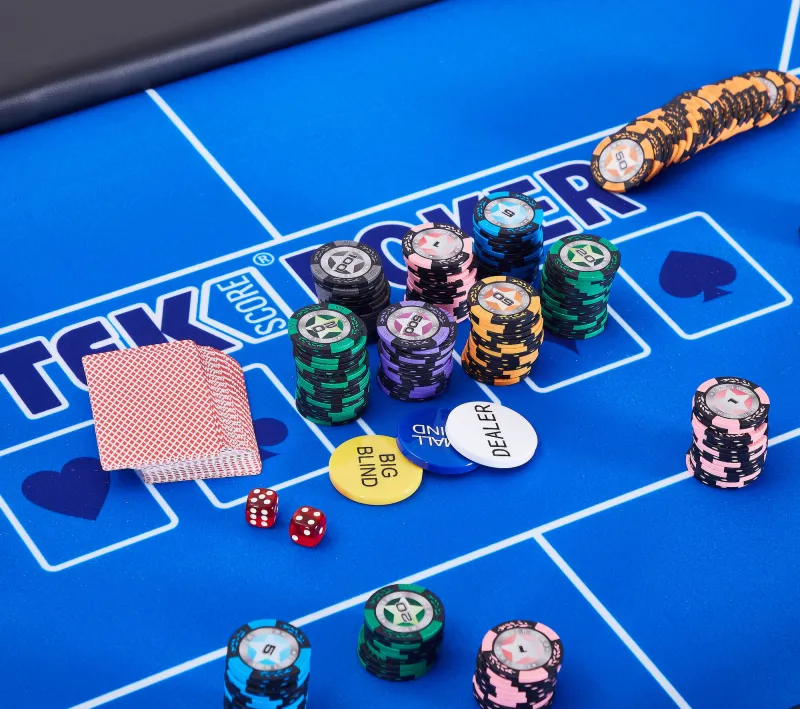
Photo by Photo by Vitaly Gariev on Unsplash on Unsplash
Picture two players. One is alone in their apartment at 11 p.m., headphones in, working through a slot session with the focus of someone balancing a checkbook. The other is on a group video call with three friends, all of them playing simultaneously, reacting to each other's wins and losses in real time.
Same games. Same stakes. Wildly different experiences — and, if the psychology research holds up, wildly different outcomes.
This is something the casino world doesn't talk about enough: who you're playing with (or not with) fundamentally shapes how you bet, how long you play, and whether you walk away feeling good about it. Let's get into it.
The Case for Going Solo
There's a reason a lot of serious players prefer to play alone. When no one's watching, the social performance layer disappears entirely. You're not managing anyone else's energy, reacting to someone else's bad beat, or feeling pressure to keep up with a friend who just hit a big win.
Research in behavioral economics consistently shows that people make more rational, deliberate decisions when they're not being observed. The technical term is evaluation apprehension — the subconscious awareness that someone is watching and forming judgments. Remove that audience, and players tend to stick closer to their actual strategy, make fewer impulsive moves, and are more likely to walk away when they've hit their personal limits.
Solo play also allows for a kind of focus that group environments rarely permit. If you're working through a blackjack basic strategy, counting your bankroll carefully, or trying to understand the paytable mechanics of a new slot, you need mental space. Distractions — even friendly ones — erode that space fast.
For introverted players especially, solo sessions at One Casino can function almost like a flow state: structured, self-directed, and surprisingly relaxing when approached with the right mindset.
The Real Risks of Playing Alone
Here's the uncomfortable flip side: solo play removes accountability entirely. There's no one to notice when you've been at it for three hours. No one to say "hey, you already hit your loss limit." No one to celebrate a win with, which — believe it or not — matters more than people admit.
Without external feedback, it's easier to rationalize continued play after a losing streak. The internal monologue that justifies one more spin or one more hand gets louder when no one's around to push back on it. This is part of why responsible gambling tools — session timers, deposit limits, loss alerts — exist and why they're genuinely useful for solo players who don't have a built-in social check.
There's also the emotional isolation factor. Gambling alone during a rough stretch can amplify negative feelings in ways that social play doesn't. When a bad session happens in a group, the shared experience dilutes the sting. When it happens alone, there's no buffer.
What Happens When Friends Are in the Room
Group play — whether that's physically together or coordinated through a Discord server or group chat — introduces a whole different psychological ecosystem.
The most documented effect is elevated risk tolerance. Studies on social facilitation show that people perform familiar tasks more intensely in the presence of others. In a casino context, that often translates to larger bets, faster session pacing, and a reduced likelihood of cashing out at a sensible point. The presence of an audience — even a friendly one — activates a competitive instinct that can override careful planning.
There's also the social comparison dynamic. If your friend just hit a $400 slot win and you're grinding through a flat session, the temptation to escalate your own bets to "keep up" is very real. This isn't a character flaw — it's hardwired human behavior. But recognizing it is the first step to not letting it drain your bankroll.
On the positive side, group play dramatically increases enjoyment and long-term engagement. The shared experience of a big win — even watching someone else hit it — produces a genuine dopamine response. Losses feel more manageable when you're processing them with people you trust. And the social ritual of playing together creates memories and bonding that solo grinding simply doesn't.
The Live Dealer Middle Ground
One format worth calling out specifically is live dealer gaming, which occupies an interesting psychological space between solo and social play. You're interacting with a real dealer and often chatting with other players at the virtual table, but you're still fundamentally in your own environment.
For players who find pure solo play isolating but get overstimulated in full group settings, live dealer tables can be a genuine sweet spot. The social cues are present — conversation, shared reactions, a human face on screen — without the peer pressure dynamics of playing alongside people who know you personally.
Which Mode Actually Suits You?
Honestly, the answer isn't universal — and it might not even be consistent for you personally. Context matters enormously. Here's a rough framework:
Play solo when:
- You're working on a specific strategy and need focus
- You're managing a tight bankroll and want full control
- You're tired or emotionally off-balance and don't want to perform for an audience
- You're trying out a new game and want to learn without pressure
Play with friends when:
- Entertainment and shared experience are the primary goal
- You've already set firm limits and want someone to hold you to them
- You're in a good headspace and want to amplify the fun
- You're playing lower-stakes games where variance doesn't stress you out
Try live dealer when:
- You want human interaction without the group pressure dynamic
- You're playing table games and want the authentic back-and-forth of a real dealer
- You want a middle path between the focused solo grind and the chaos of group play
The Real Edge Is Self-Knowledge
At the end of the day, the most underrated skill in online casino play isn't card counting or slot volatility analysis — it's knowing yourself well enough to choose the right context for your sessions. The player who understands that they chase losses harder when friends are watching, or that they play too long when they're alone and bored, has a genuine edge over someone who never thinks about it.
The game is always on. The question is whether you're showing up in the version of yourself that plays it best.